



Digital workflows have reshaped how modern dental laboratories support restorative dentistry, enabling lower-cost production through automation rather than reduced standards. Bridge fabrication, once dependent on manual processes and physical impressions, is now driven by advanced digital systems that improve accuracy, consistency, and turnaround times.
For dental practices, this shift goes beyond technology adoption. Digital bridge fabrication directly impacts clinical predictability, chairside efficiency, remake rates, and overall practice scalability. As more practices integrate intraoral scanning and digital case submission, laboratories must deliver workflows that align with modern clinical demands.
Let’s explore how dental labs fabricate bridges using digital technology and why this approach has become the standard for practices focused on efficiency and long-term restorative success.
Dental bridges remain a core restorative solution for replacing missing teeth, restoring occlusal function, and maintaining arch stability. From a clinical perspective, bridges are often indicated when implants are deferred or when multi-unit restorations are required.
From a laboratory standpoint, bridge fabrication demands:
Digital workflows enable labs to meet these requirements with greater control and repeatability than traditional methods.
Traditional dental bridge manufacturing typically involves physical impressions, stone models, and manual design steps. While widely used in the past, these workflows present challenges for both labs and practices:
These limitations can disrupt scheduling, increase chairside time, and strain lab–practice coordination.
Digital bridge workflows address these inefficiencies by replacing analog steps with software-driven precision, reducing labor costs while maintaining FDA- and ADA-compliant materials. Key advantages include:
For practices, this translates into predictable outcomes and smoother restorative workflows.
The workflow begins with digital impression capture using intraoral scanners. These scans provide high-resolution data, including margins, occlusal detail, and spatial relationships.
For dental labs, digital impressions offer:
This foundational accuracy significantly impacts final fit and function.
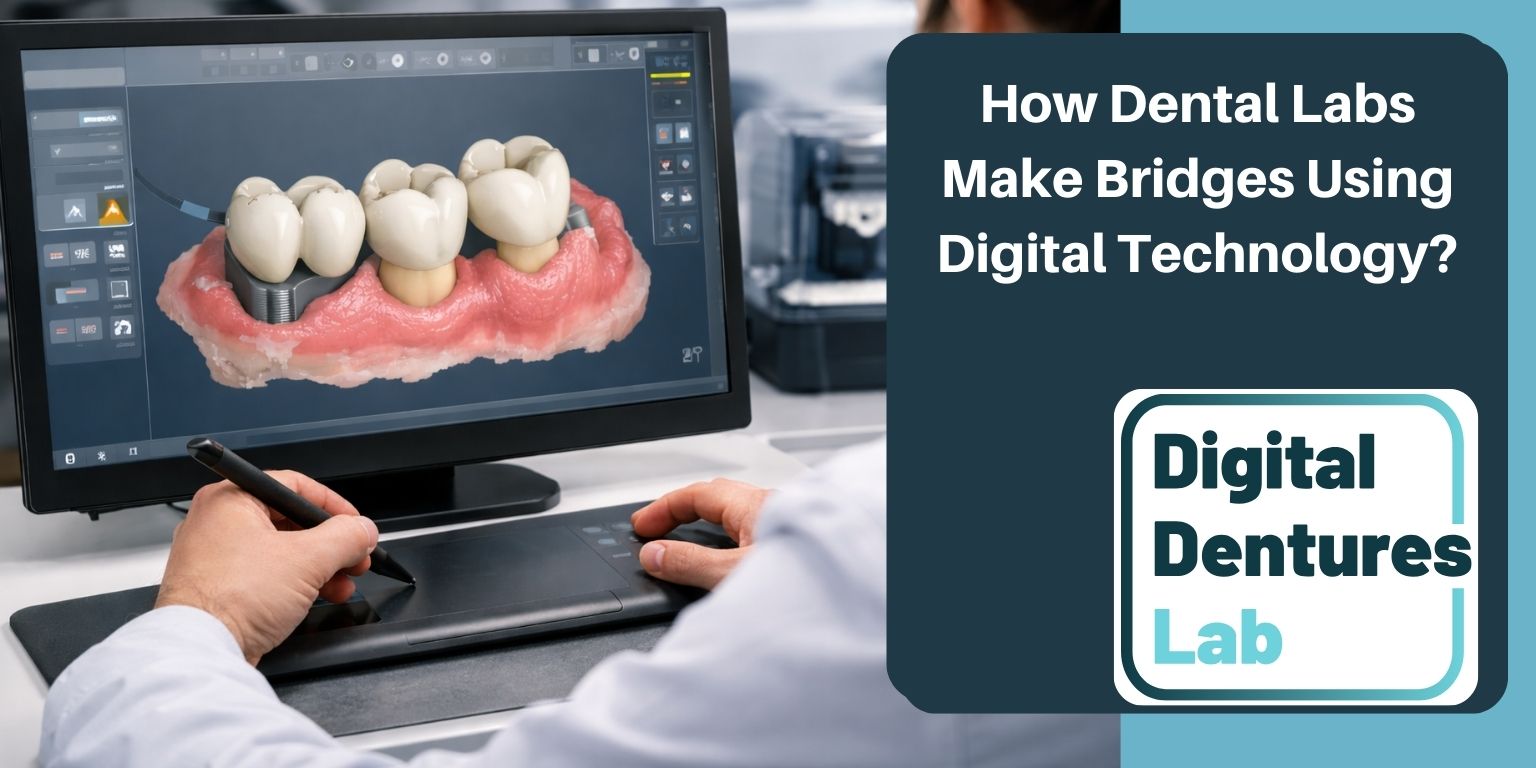
Using computer-aided design software, lab technicians design the bridge based on the clinician’s prescription and scan data.
CAD workflows allow labs to:
This level of precision supports consistent clinical outcomes and reduces the need for chairside adjustments.
Digital planning enables labs to select materials strategically based on clinical requirements, functional load, and esthetic expectations.
Common materials include:
Digitally driven material selection helps balance durability, aesthetics, and production efficiency while supporting predictable results.
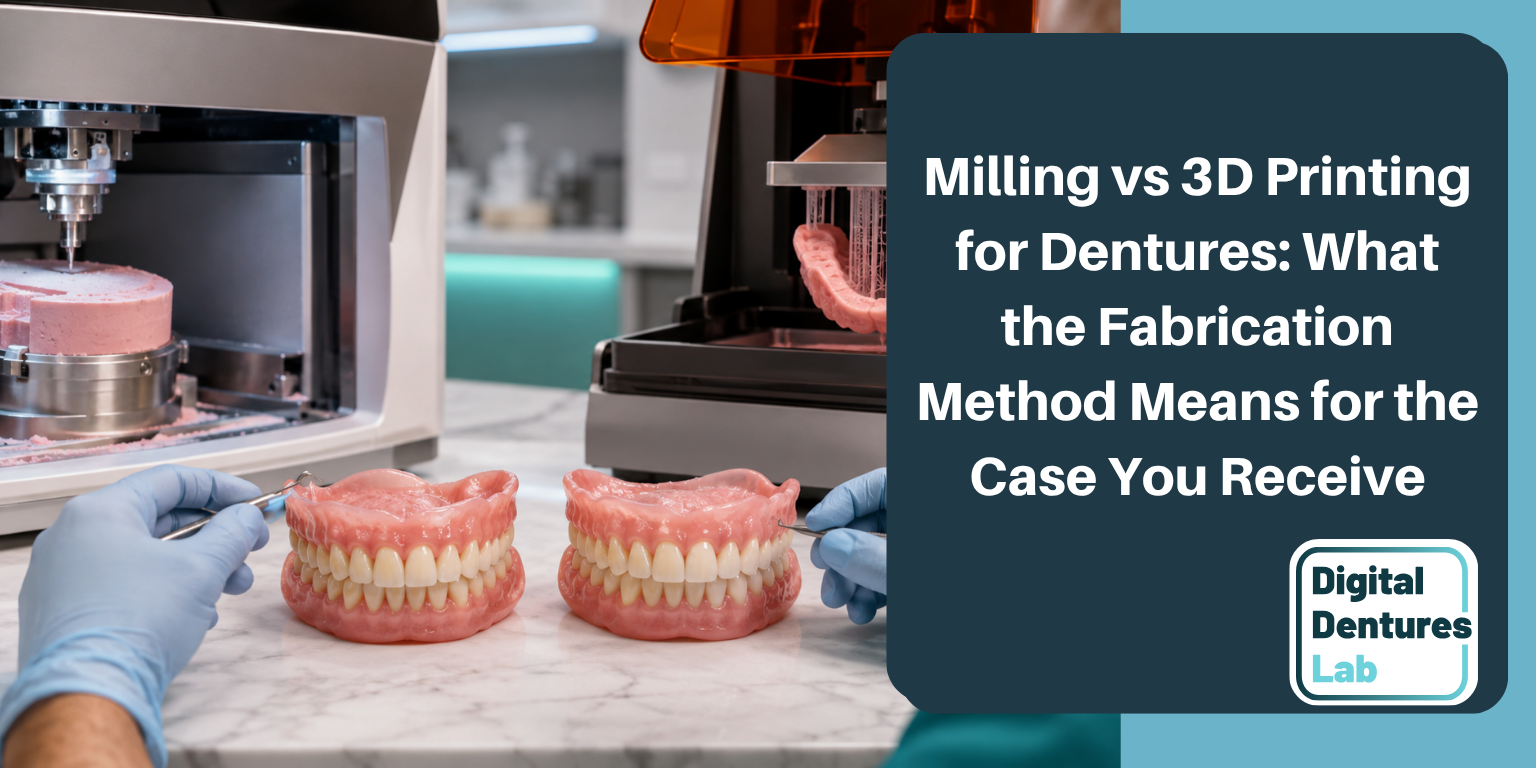
Once the design is finalized, fabrication is completed using computer-aided manufacturing systems such as milling units or 3D printers.
From a lab operations perspective, CAM systems provide:
Automation at this stage is critical for meeting turnaround expectations and achieving lower-cost production without compromising quality or safety.
Following fabrication, bridges undergo finishing processes, including:
Quality control protocols ensure restorations meet clinical and laboratory standards before delivery. Streamlined logistics and predictable timelines help practices schedule restorative appointments with confidence.
As more practices adopt digital dentistry, laboratories play a critical role in aligning technology with clinical workflows. Digital bridge fabrication enables:
This collaborative approach strengthens lab–practice partnerships and supports sustainable growth.
Digital technology has redefined how dental labs fabricate bridges, replacing manual variability with precision-driven workflows. By leveraging digital impressions, CAD-based design, and automated manufacturing, labs can deliver restorations that align with modern practice expectations for accuracy, efficiency, and reliability.
At Digital Dentures Lab, digital workflows support dental practices with predictable bridge fabrication, consistent quality, and dependable turnaround times. By partnering with practices that value precision and scalability, the lab helps streamline restorative workflows without compromising clinical outcomes. Contact us today to explore how our digital expertise can support your restorative cases.
With proper care and materials like zirconia, permanent bridges can last 10–15 years or longer.
Single-unit, multi-unit, implant-supported, and provisional bridges can all be digitally fabricated.
Yes. In many cases, digitally milled zirconia bridges are stronger and more consistent than traditionally fabricated options.
Digital design allows precise contouring and shading, resulting in highly natural-looking restorations.
Most patients are candidates, though the dentist should continually evaluate clinical factors such as bone support and bite conditions.

Get updates, case details, and lab innovations to support your practice and patient outcomes.