


CAD/CAM manufacturing has become a cornerstone of modern dental laboratory operations by enabling lower-cost production through digital efficiency rather than manual labor. As digital dentistry continues to reshape how restorative cases are designed and produced, CAD/CAM systems allow dental labs to replace manual variability with precision-driven, scalable workflows.
For dental practices, this evolution is not just about adopting new technology. CAD/CAM manufacturing directly influences restoration accuracy, turnaround times, cost efficiency, and consistency across cases. As digital impressions and electronic case submissions become standard, labs equipped with CAD/CAM workflows are better positioned to meet growing clinical and operational demands.
Let’s explore what CAD/CAM manufacturing means in dental labs, how it works, and why it plays a critical role in delivering accurate, efficient, and affordable restorations.
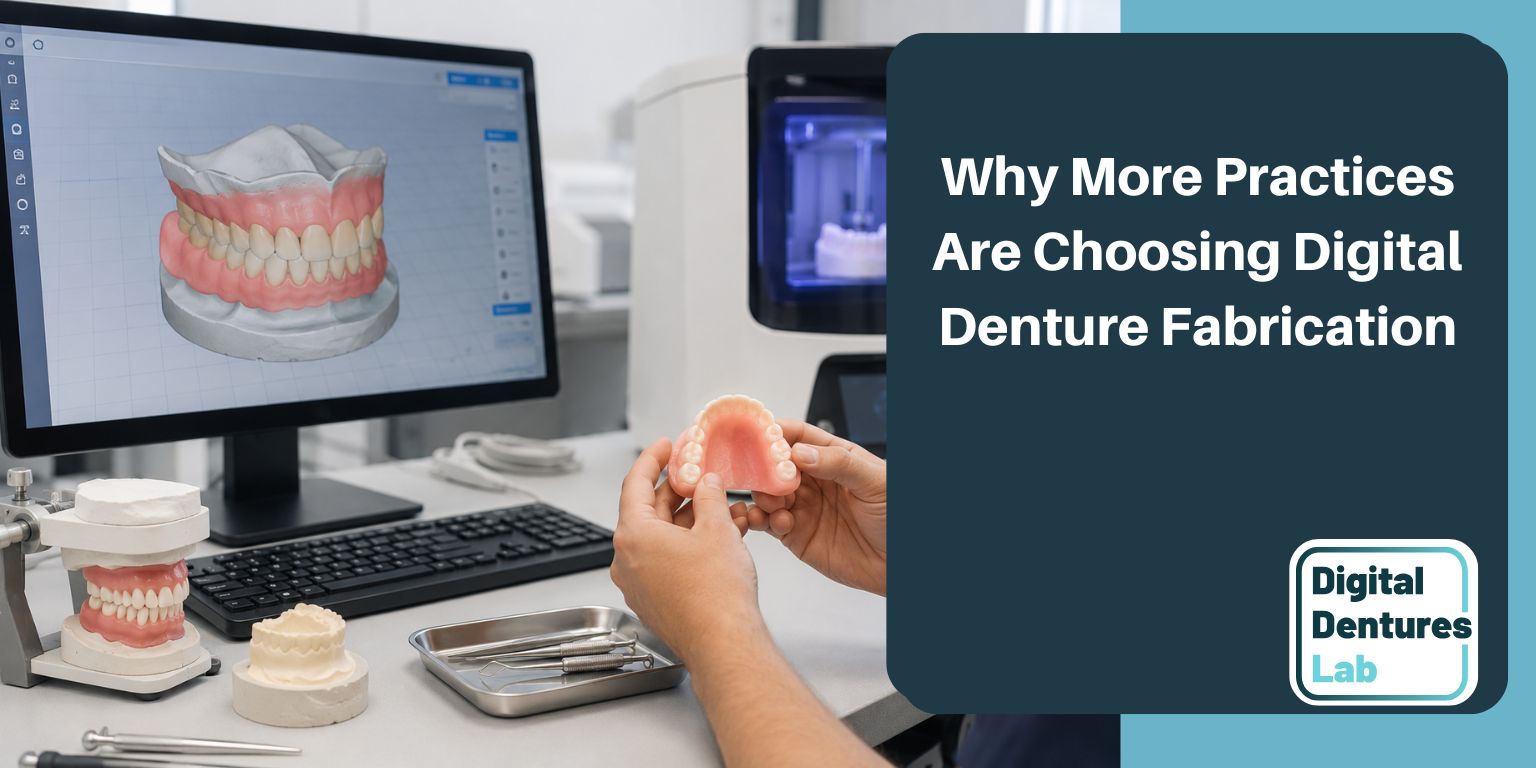
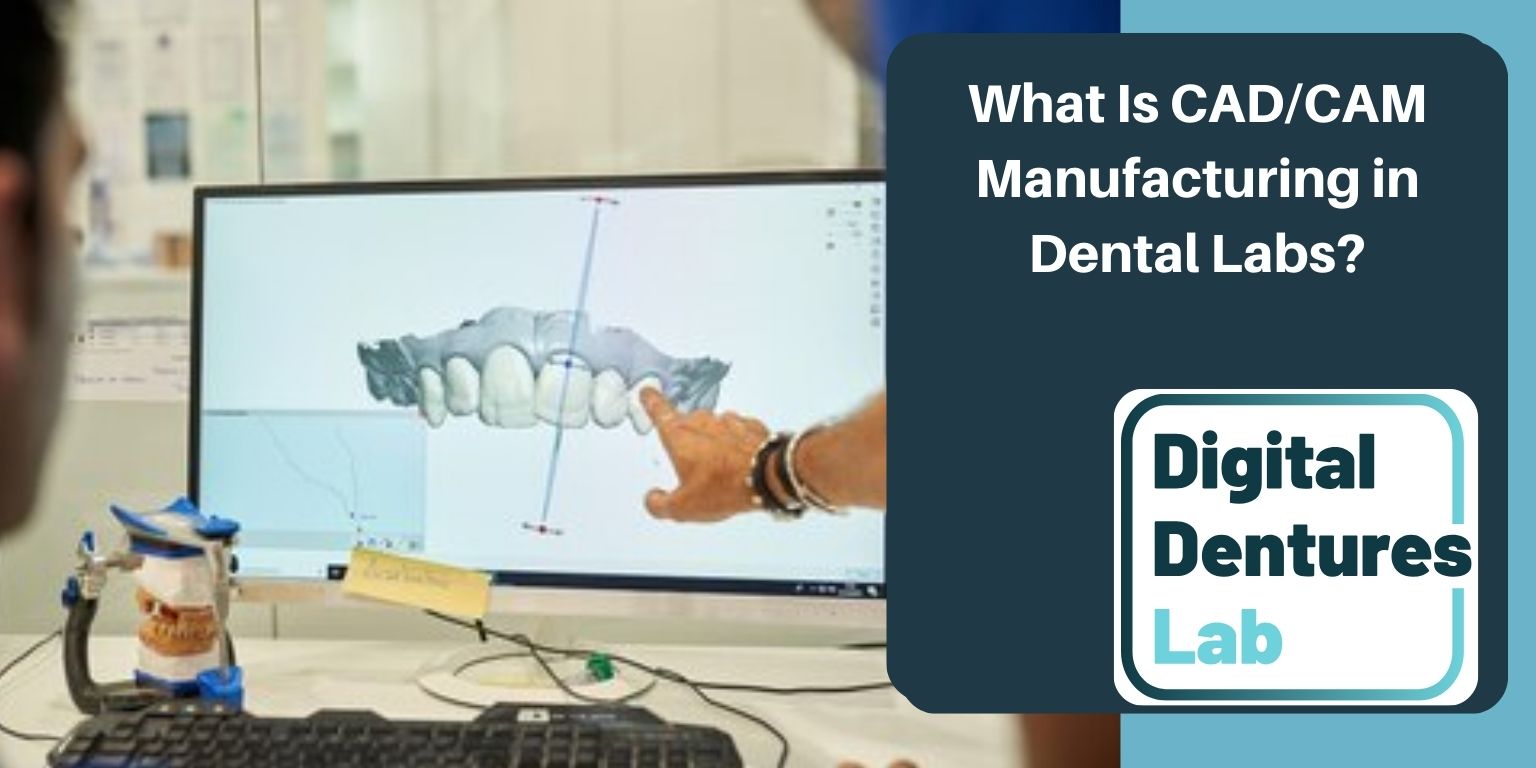
CAD, or Computer-Aided Design, refers to the digital design phase of dental restorations. Using specialized software, lab technicians design crowns, bridges, dentures, and implant components based on digital impressions or scanned models.
CAD software allows precise control over:
This digital design environment eliminates many inconsistencies associated with manual wax-ups.
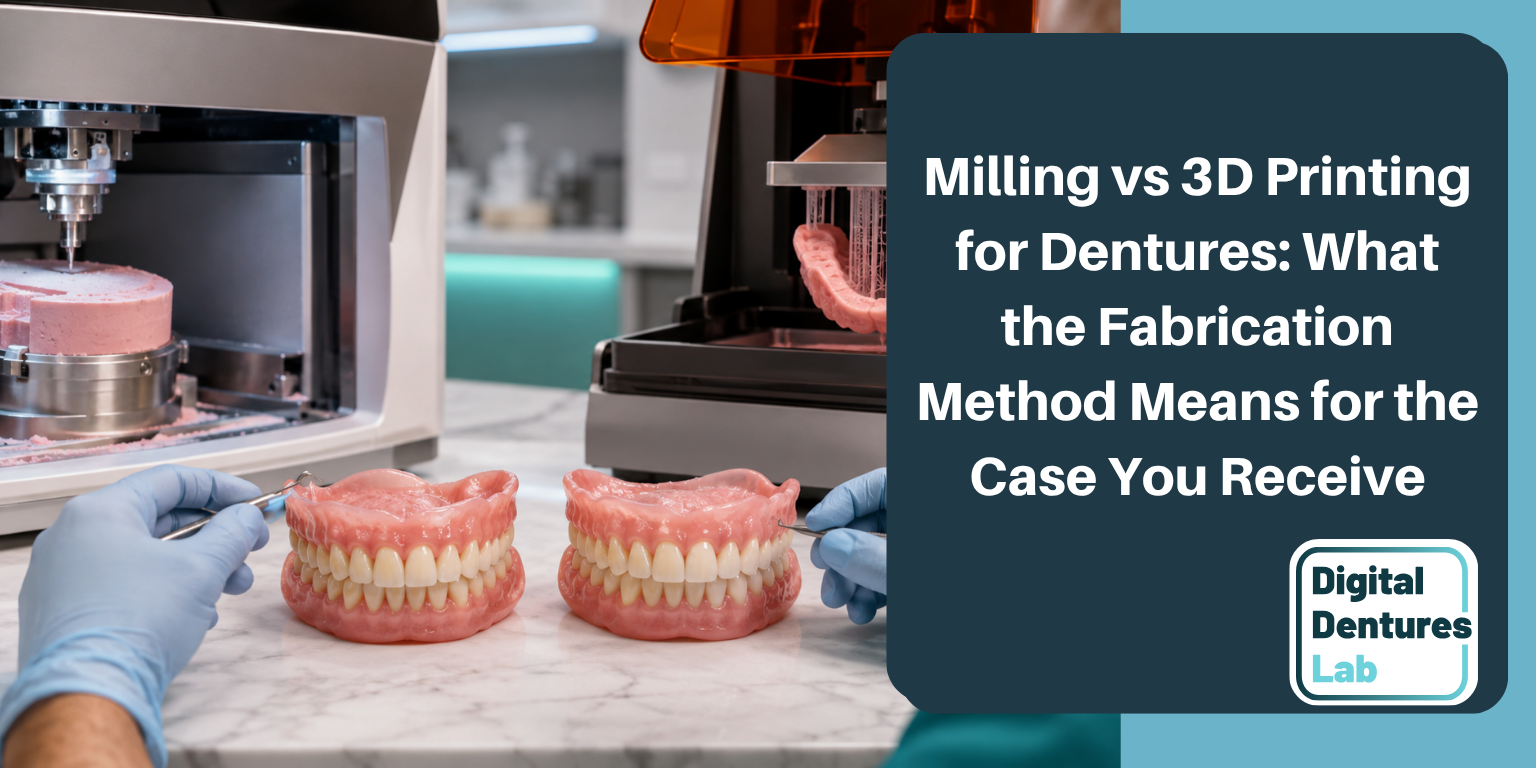
CAM, or Computer-Aided Manufacturing, is the phase in which digital designs are converted into physical restorations. CAM systems include milling machines and 3D printers that fabricate restorations directly from CAD files.
CAM enables:
In a CAD/CAM dental lab, design and manufacturing are fully integrated. Once a restoration is finalized in CAD software, the file is sent directly to CAM equipment for production. This seamless transition reduces errors, shortens production timelines, and improves predictability.
Traditional lab workflows relied heavily on physical impressions, stone models, and manual fabrication steps. These processes often introduced variability and extended turnaround times.
CAD/CAM manufacturing replaces these steps with digital precision, creating a more controlled and efficient workflow that lowers costs while maintaining U.S. manufacturing standards.
Digital design and automated manufacturing significantly reduce inconsistencies related to:
This results in restorations that fit more predictably and require fewer chairside adjustments.
The process begins with digital impressions captured with intraoral scanners or physical impressions scanned. These high-resolution datasets form the foundation of CAD/CAM manufacturing.
For labs, digital case intake offers:
Using CAD software, technicians design restorations such as:
Digital tools allow precise adjustments to margins, occlusion, and anatomy without restarting the case.
CAD/CAM workflows support a wide range of materials, including:
Material selection is based on clinical requirements, functional load, and cost-efficiency goals.
Once designs are finalized, production begins on a CAD/CAM machine for dental labs. Depending on the case, restorations are milled or 3D printed.
CAM automation provides:
After manufacturing, restorations undergo:
Only restorations that meet lab and clinical standards are approved for delivery.
CAD/CAM manufacturing reduces production costs by:
These efficiencies allow dental labs to offer affordable pricing, competitive with offshore labs, while maintaining consistent quality using FDA- and ADA-compliant materials.
Compared to traditional workflows, CAD/CAM manufacturing:
Fast turnaround times help practices schedule restorative appointments more efficiently and improve overall case flow.
CAD/CAM technology has become essential for dental labs focused on precision, efficiency, and scalability. By integrating digital impressions, CAD-based design, and automated manufacturing, labs can support modern practices and deliver consistent, high-quality restorations on predictable timelines.
At Digital Dentures Lab, CAD/CAM workflows support dental practices with accurate restorations, efficient production, and dependable turnaround times. By adopting a digital-first approach, the lab helps practices manage restorative cases efficiently without compromising quality. Contact us today to learn how CAD/CAM manufacturing can support your restorative workflow.
A CAD CAM machine is equipment used to mill or 3D print dental restorations directly from digital designs.
Crowns, bridges, dentures, implant-supported restorations, and dental appliances can all be fabricated using CAD/CAM technology.
Yes. Reduced labor, efficient material use, and automation help labs offer cost-effective restorations.
Production timelines vary, but digital workflows typically reduce turnaround time compared to traditional methods.
Yes. CAD/CAM technology is widely used for the design and manufacture of full and partial dentures.

Get updates, case details, and lab innovations to support your practice and patient outcomes.